

Sober Living House: What Is Is and How It Works
They furnish you with the tools, support, and structure needed to build a solid foundation for your recovery journey. Community and Support Network in sober living homes are irreplaceable. Living among peers who are also committed to a sober lifestyle offers a unique form of support and understanding. This sense of belonging can significantly reduce feelings of isolation and increase your motivation to maintain sobriety. Regular meetings and group therapy sessions within these communities further bolster your emotional and psychological resilience. These are residential facilities that provide structure and support for those healing from addiction.
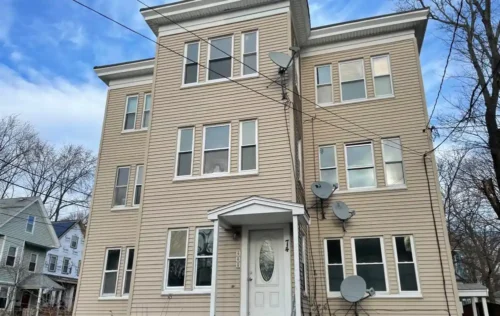
Oxford House – Hanabrook Park
It bridges the gap between inpatient rehab facilities and a return to normal life. You’ll find these homes crucial if you’re in recovery, offering more than just a place to stay; they provide structure, support, and a community of peers who are also on their journey to sobriety. As stated above, the people who use sober housing are individuals who have spent time in an in-patient drug rehabilitation program. It provides a means for these individuals to be in a supportive environment with others who share the same goals – a healthy lifestyle, sobriety, and re-entry into mainstream society. Some are on the campus where drug and alcohol addiction treatment is provided, and others are Alcoholics Anonymous independent homes, apartments or condos.
Understanding the Structure of Sober Living Homes
In some cases, sober living homes will contract with licensed drug rehabilitation centers and therapists as a means for providing an even greater level of care. These types of sober livings do tend to charge higher fees, however, they are often able to provide a very affordable alternative to what would otherwise constitute high-priced inpatient treatment. First, if you’re recently leaving a rehab stay or have just wrapped up an outpatient program, a sober living facility may provide you with the structure you need. Embracing these benefits, you’ll find that sober living homes offer much more than just a place to stay.

What to Expect in a Sober Living Home
- Others may limit or restrict cell phone and internet access because they can act as triggers that could lead to relapse.
- In most sober-living environments, bedrooms are shared, but some do provide individual rooms.
- By providing separate homes, facilitators can provide gender-specific care to improve the chances of success.
- If you have already gone through rehab, but you’re not quite ready to live independently, this type of facility may be an excellent fit for you.
Lastly, it allows you to build meaningful sober relationships and bonds. By Julia Childs Heyl, MSWJulia Childs Heyl, MSW, is a clinical social worker and writer. As a writer, she focuses on mental health disparities and uses critical race theory as her preferred theoretical framework. Paul Molloy was a young lawyer on Capitol Hill who had a key role in drafting legislation that created Amtrak and other federal programs. He was also an alcoholic whose drinking would eventually cost him his job, his family and his home.
The Oxford House Model istime-tested and evidence-based.
Living among individuals who understand your struggles and can relate to your experiences creates an invaluable support network. This sense of community encourages mutual support, where residents motivate and inspire each other to stay committed to their recovery goals. A core component of sober living homes is the emphasis on personal accountability coupled with peer support. Although halfway houses share a lot in common with sober-living homes, there are a few key differences that set them apart. Research on sober living houses also states that residents experience a higher sober living vs rehab possibility of securing employment and a lower likelihood of getting arrested.